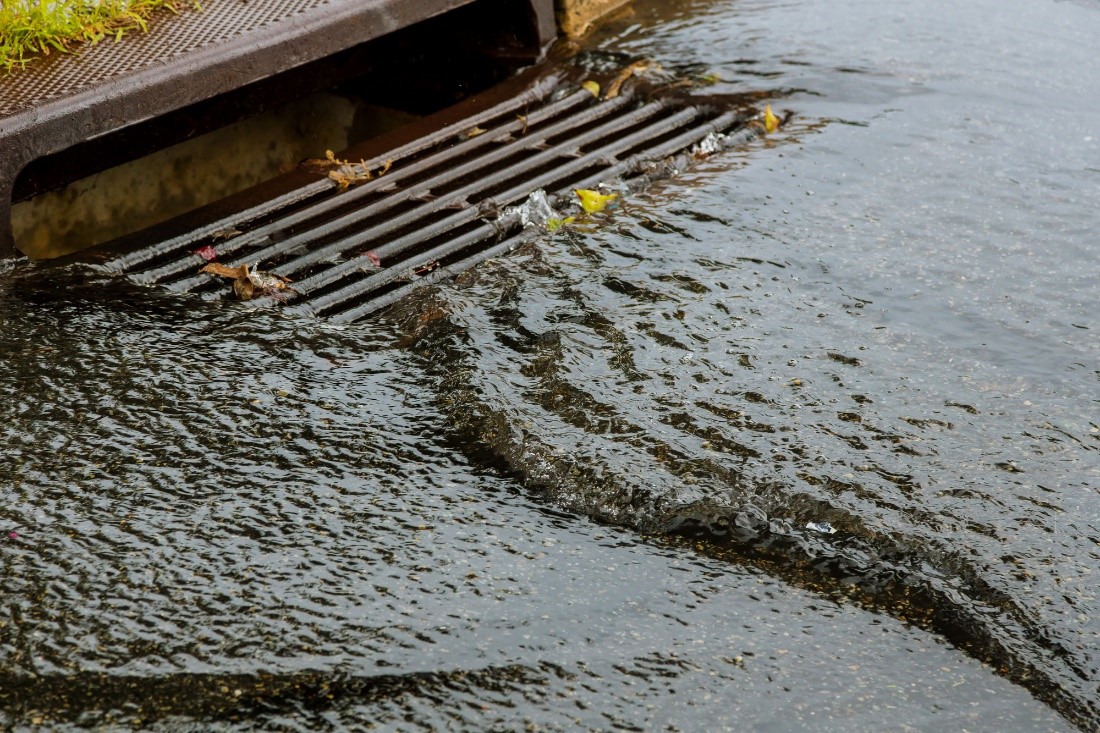
Stormwater Drain Maintenance Hurstville: 7 Smart Checks Before Heavy Rain
Stormwater Drain Maintenance Hurstville helps property owners keep rainwater moving through gutters, downpipes, grates, pits and underground drains. When leaves, soil, roots or damaged pipework restrict the system, water may pool around the property or overflow during rain.
A surface grate that looks clear does not guarantee that the underground line is working properly. Repeated overflow, slow-draining pits and soggy areas can point to a deeper blockage or damaged stormwater pipe.
This guide explains seven practical checks, warning signs, safe maintenance and what to expect from a professional inspection. Water Workx Plumbing assists homes, strata properties and businesses in Hurstville, Kingsgrove, Mortdale and Lugarno with stormwater, blocked drains and general plumbing concerns.
Stormwater Drain Maintenance Hurstville: Seven Smart Checks
Stormwater Drain Maintenance Hurstville should focus on the complete path that rainwater follows, not only the nearest grate.
Use these seven checks:
- Clear visible leaves from grates
Leaves can form a mat over drain openings and prevent water from entering the system.
- Check pits for sediment
Soil, mulch and sand can settle at the bottom of stormwater pits and gradually restrict outlets.
- Observe downpipes during rain
Water spilling from joints or overflowing gutters may indicate a blockage or a connection that is not carrying water away properly.
- Look for recurring pooling
Water that repeatedly collects beside walls, garages, paths or garden areas may indicate poor flow or a damaged line.
- Notice slow-draining outdoor areas
A grate that takes a long time to clear after rain may be partly blocked.
- Check for movement or damage
Cracked grates, sunken pits and disturbed paving can affect how water enters and leaves the system.
- Record where overflow begins
Photos taken from a safe position during rain can help show whether the problem begins at a gutter, downpipe, pit or ground-level drain.
Sydney Water describes stormwater systems as networks that include drains, channels, tunnels and maintenance holes. Property owners should never enter these systems or allow others to do so.
Grates, Pits and Surface Debris
Surface maintenance begins with removing loose leaves, sticks and rubbish while wearing gloves. Keep garden mulch and soil below the level of drain openings.
Do not lift a heavy pit lid if it cannot be moved safely. Do not place hands into a drain where sharp objects, pests or contaminated water may be present.
If a pit fills again soon after cleaning, the outlet pipe may be restricted. Removing surface debris will not solve roots, sediment or damage deeper in the line.
Gutters and Downpipes
Gutters collect rainwater from the roof and direct it into downpipes. Overflow may occur when gutters are full, downpipes are blocked or the connected drain cannot accept the flow.
Observe from ground level where possible. Do not climb onto a wet roof or use an unstable ladder during rain.
Signs that deserve attention include:
- Water spilling over one gutter section
- Downpipe joints leaking
- Gurgling from connected drains
- Water returning through a grate
- Staining around downpipe connections
- Pooling near the building
A downpipe can appear clear at the top but remain restricted below ground.
Repeated Overflow and Underground Problems
Recurring overflow often indicates more than a few leaves. Tree roots, sediment, broken joints, crushed pipework or poor alignment may affect the underground line.
A CCTV inspection may help identify visible problems inside accessible pipes. High-pressure water jetting may be suitable for some debris, roots or sediment, but it does not repair cracked or collapsed pipework.
The right next step depends on the pipe condition and access.
Practical Stormwater Drain Maintenance Hurstville
Safe Stormwater Drain Maintenance Hurstville is limited to visible, accessible areas. Do not enter pits, tunnels, drains or confined spaces.
A practical routine includes:
- Remove loose debris from surface grates.
- Keep soil and mulch away from openings.
- Check whether pits hold excessive sediment.
- Observe gutters and downpipes during moderate rain.
- Photograph recurring overflow points.
- Note which areas drain slowly.
- Keep access points free from stored items.
- Arrange professional help when the issue returns.
Avoid these common mistakes:
- Do not pour chemical cleaners into stormwater drains.
- Do not push rods or garden hoses deep into pipes.
- Do not enter a drain or maintenance hole.
- Do not work on ladders during rain.
- Do not redirect stormwater without professional advice.
- Do not cover drainage openings with landscaping.
- Do not assume overflow is normal during every storm.
Stormwater and wastewater are different systems. Oils, paint, detergents and other pollutants should not be washed into stormwater because the water may flow toward local waterways.
If water is entering the home, garage or electrical areas, prioritise safety. Keep clear of wet electrical equipment and arrange appropriate assistance.
Costs, Timeframes and What To Expect
The cost of stormwater work depends on whether the issue involves maintenance, blockage removal, investigation or pipe repair.
Factors may include:
- Number of affected grates and pits
- Depth and location of the line
- Access to inspection openings
- Type of debris or sediment
- Tree root growth
- Need for CCTV inspection
- Need for high-pressure cleaning
- Pipe material and condition
- Excavation through soil, paving or concrete
- Site access and restoration
- Strata or commercial property requirements
A professional appointment may involve:
- Discussing when and where overflow occurs.
- Inspecting visible grates, pits and downpipes.
- Testing accessible sections where appropriate.
- Identifying likely blockage locations.
- Clearing suitable debris.
- Using CCTV equipment if further investigation is needed.
- Explaining whether the line appears damaged.
- Recommending maintenance or repair options.
The timeframe depends on access and condition. A surface blockage may be simpler than a long underground line filled with roots or sediment.
If damage is found, repair planning may involve locating the affected section, opening the area and replacing or repairing pipework. Surface restoration may be a separate part of the quote.
Ask:
- Is the issue at the surface or underground?
- Is cleaning likely to restore reliable flow?
- Is CCTV inspection included?
- Does the pipe show signs of damage?
- Is excavation required?
- What areas need to remain accessible?
- What parts of the surface restoration are included?
For strata or commercial properties, provide any previous drainage plans, reports or footage if available.
Prevention and Professional Help
Stormwater maintenance is most useful before heavy rain rather than during an overflow.
Helpful prevention habits include:
- Clear grates regularly.
- Keep garden waste away from pits.
- Check downpipes after windy weather.
- Address sunken paving near drains.
- Trim vegetation around access points.
- Investigate repeated wet areas.
- Keep maintenance openings accessible.
- Arrange inspection after recurring overflow.
- Avoid driving heavy equipment over shallow drainage lines where possible.
Professional help is appropriate when:
- A pit repeatedly fills or overflows.
- Several outdoor drains are slow.
- Downpipes back up.
- Water moves toward the building.
- Tree roots are suspected.
- The same area floods repeatedly.
- A grate or pit has moved.
- Underground pipe damage is possible.
- CCTV or professional cleaning is required.
Water Workx Plumbing can assess Stormwater Drain Maintenance Hurstville concerns and help determine whether surface clearing, drain cleaning, CCTV inspection or repair should be considered.
The business also assists with sewer blockages, high-pressure water jetting, burst pipes, leaking taps, hot water systems and general plumbing across Hurstville, Kingsgrove, Mortdale and Lugarno.
More information is available at https://www.waterworkxplumbing.com.au/
FAQs
How often should stormwater grates be cleaned?
Check them regularly and after windy weather, garden work or heavy leaf fall. Properties with nearby vegetation may need more frequent clearing.
Why does my stormwater drain overflow during rain?
Possible causes include leaves, sediment, roots, damaged pipes, poor connections or a system that cannot carry water away effectively.
Can I use drain cleaner in a stormwater pipe?
Chemical cleaners are not recommended. They may be unsuitable for the blockage and can introduce pollutants into the stormwater system.
Does a clear grate mean the pipe is clear?
No. The grate may be open while the underground pipe contains roots, sediment, damage or another obstruction.
Can CCTV inspect a stormwater drain?
Yes, where suitable access exists. Heavy water, mud or a complete blockage may need attention before useful footage can be collected.
When should stormwater pipes be repaired?
Repair may be considered when inspection shows cracks, collapsed sections, displaced joints or recurring faults that cleaning alone cannot address.
For Stormwater Drain Maintenance Hurstville, contact Water Workx Plumbing to discuss recurring overflow, slow outdoor drains or inspection options before the next period of heavy rain.